Samer Hadad
The Dark Side of Light
Samer Haddad | 15 Jun, 2020


Environmental
Pollution is a very broad term usually associated with the quality of the air we breathe and the water we drink and more. However, there's a type of pollution unknown to many, one that is caused by artificial lighting. Light is the source of life, in light conditions we are productive and energized while in darkness, our body wants to rest and regenerate. But what happens if things never get dark? When does light start having negative effects on us, our health and the urban environment?
Samer Haddad
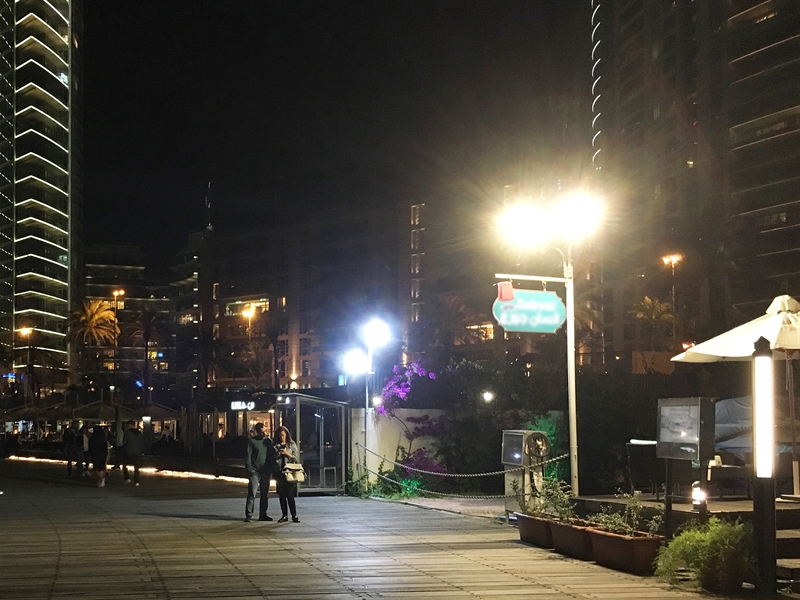
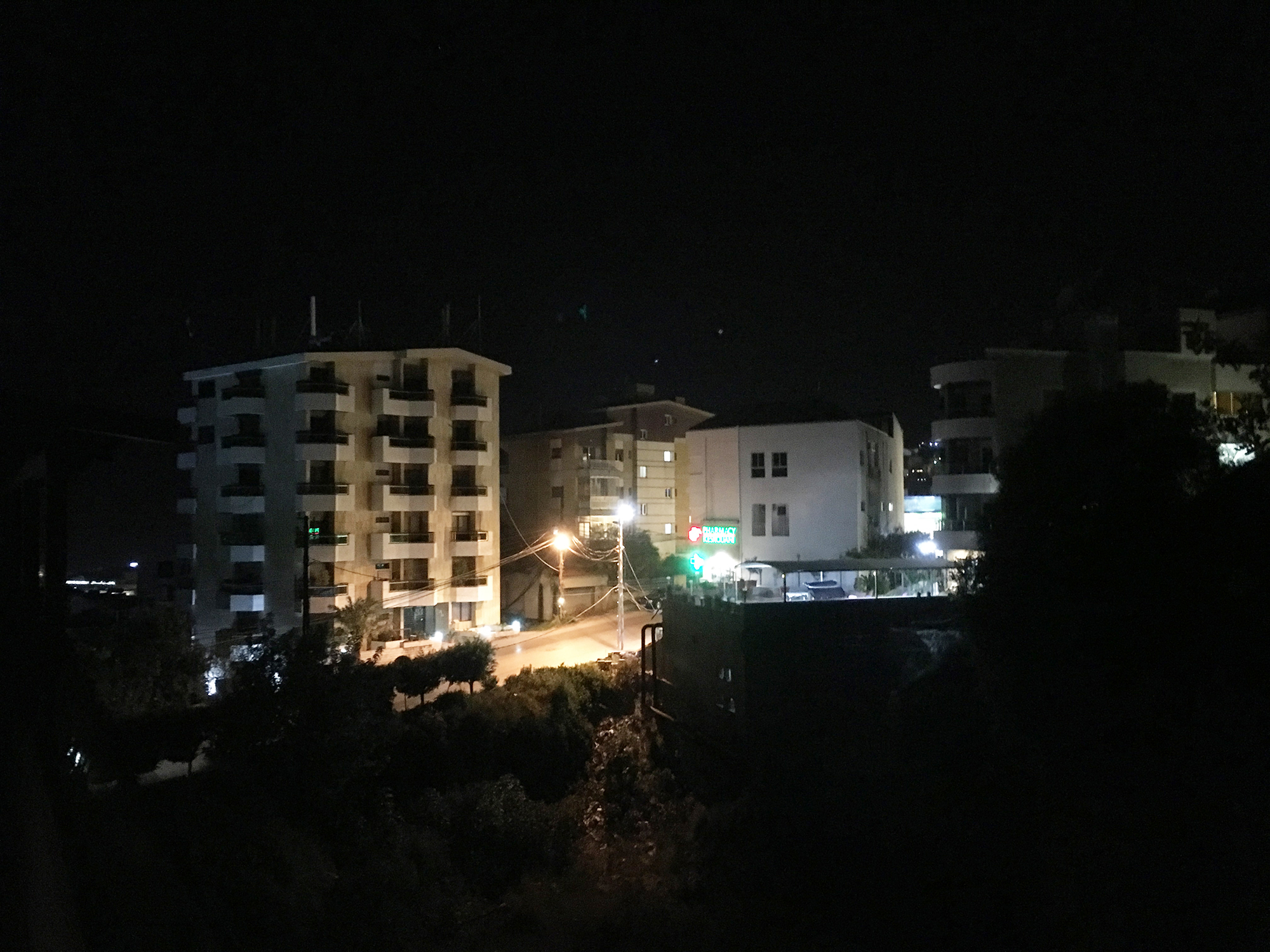
Light pollution could be defined as light that is misdirected, inappropriately used, or excessive in a given area. This issue is becoming more and more critical as demand for artificial lighting is increasing. It is a major side effect of urbanization as everything that is being built is being lit. The most subjective form of light pollution is light trespass or light that spreads beyond the area that it is intended to illuminate. Moreover, light pollution could be caused by directing lights towards the atmosphere or even over illuminating certain areas. Another phenomenon that contributes to light pollution is glare; lights that conceal rather than reveal defeat the whole purpose of lighting.
Samer Haddad
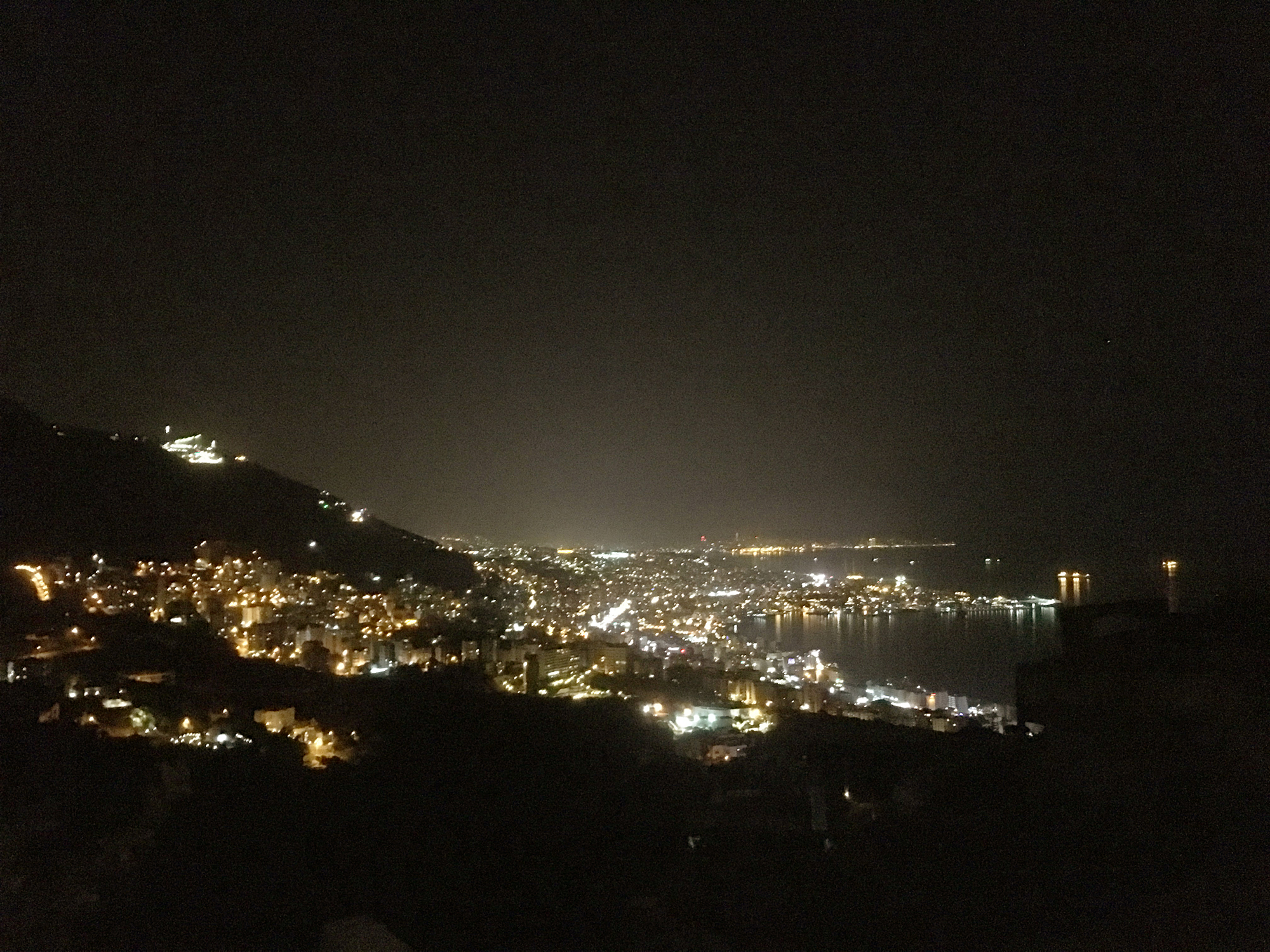
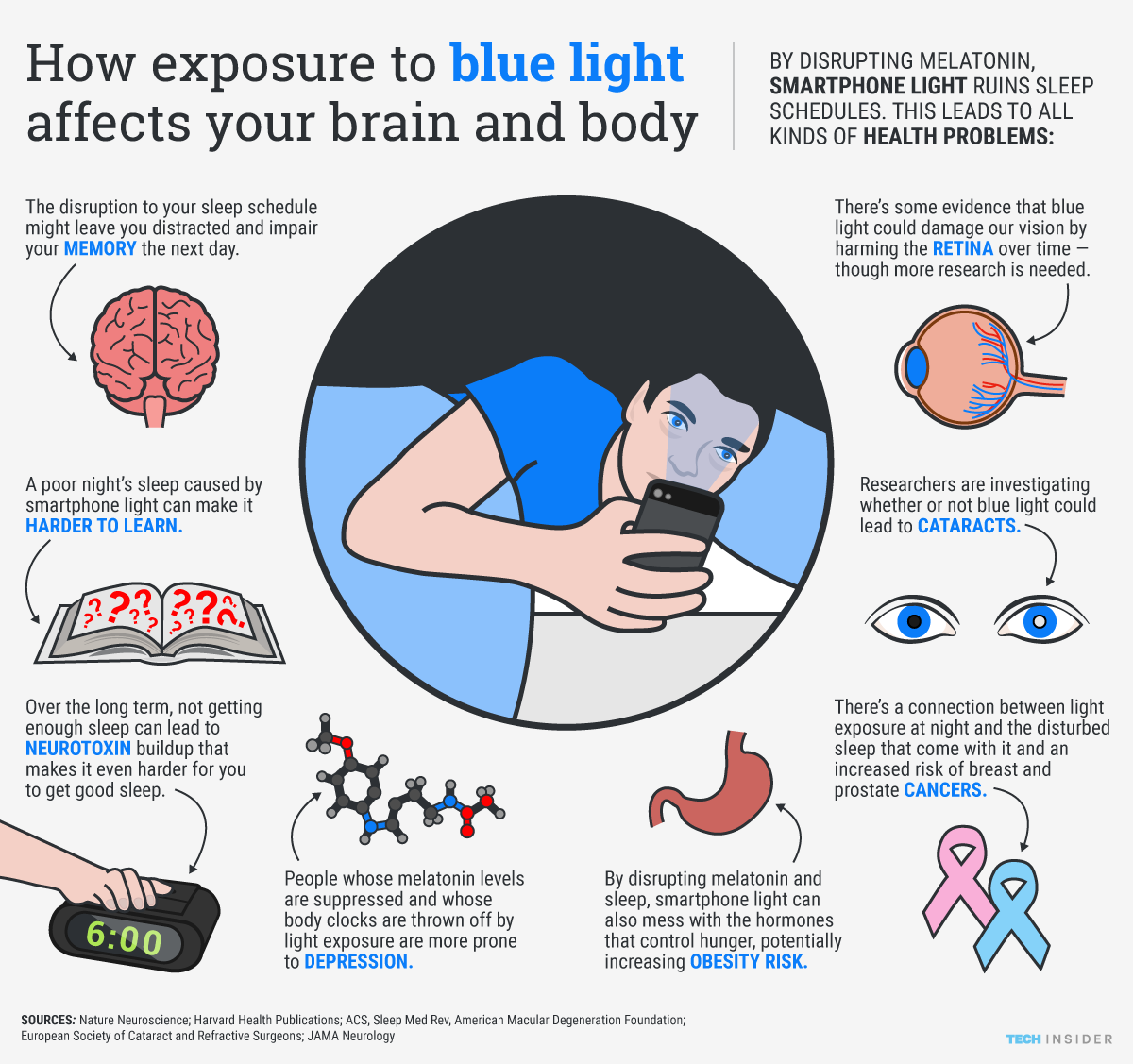
All living organisms evolved under a day and night cycle and for that reason darkness hours are very important. Excessive exposure to lighting was proven to have medical consequences on humans but also ecological and evolutionary implications on animals, plants and the entire ecosystem.' Humans function according to a daily biological cycle called the circadian rhythm. During the day, the hormone cortisol is secreted in the body allowing us to wake up and be productive. During the night, melatonin is secreted helping us rest and fall asleep. A disruption of the circadian rhythm can have serious consequences on our health. Even a short exposure to light at night especially blue light coming from mobile phones can cause this disruption. Moreover, light pollution affects the feeding, sleeping, mating, and migration cycles of all wildlife. It alters our view of the sky and stars and conflicts with the work of astronomers.
Tech Insider
The International Dark-Sky Association estimates that excessive nighttime lighting in the United States releases more than 21 million tons of carbon dioxide into the atmosphere each year and costs the economy around USD 3.3 billion.
Unlike other forms of pollution, light pollution is not permanent. In order to reduce and prevent it, certain guidelines should be followed. Lights should be directed only where they are supposed to illuminate. Moreover, they should be switched off when not needed. Smart systems are becoming more and more affordable allowing us to control lighting based on usage and occupancy. In addition, it is very important to create a lighting strategy for every project and involve lighting specialists in the design process. Choosing the right color of the light source is very important. Cool white lamps which contain blue wavelengths should be used only during the day. During the night these types of lights disrupt our body clock. Light sources which are warm in color should be used instead. New technologies allow us to use dynamic white lighting which can shift in color automatically between the day and night.
Finally, planners, lighting experts and officials should work on placing regulations that limit this issue similarly to what has been done in countries like Slovenia, the United Kingdom and Czech Republic.8 By improving the quality of lighting, we increase public health and protect our ecosystem whilst keeping our cities bright and exciting.